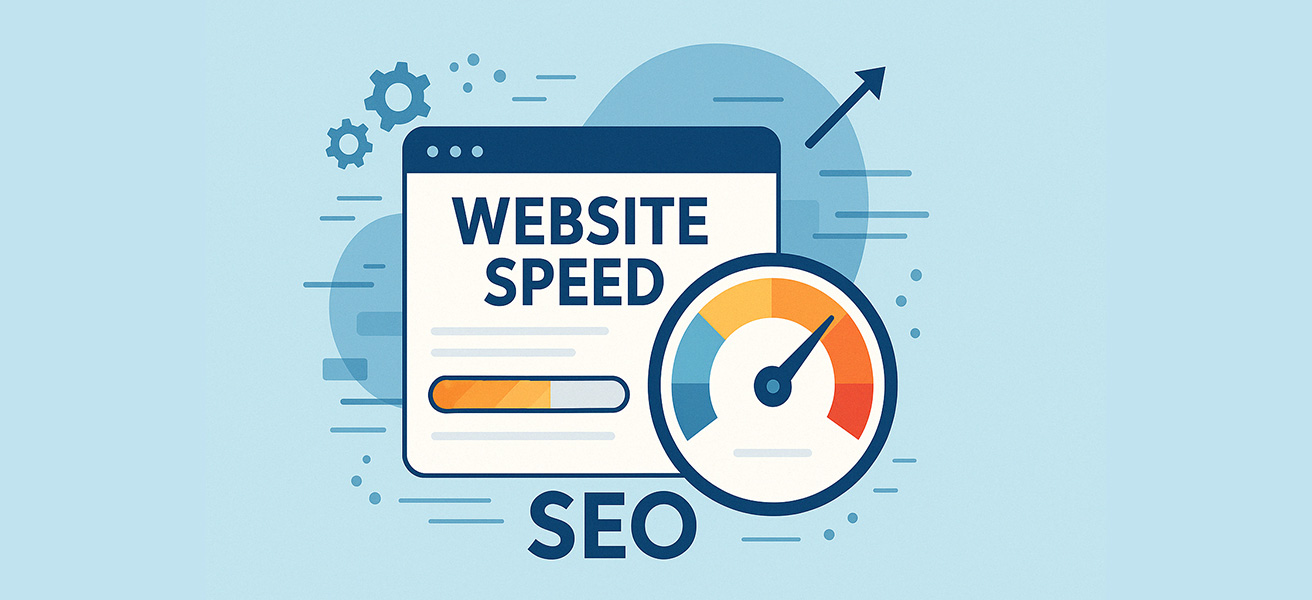
In today’s fast-moving digital world, speed matters—especially when it comes to your website. Whether you’re a small business, a marketing manager, or a startup founder, your site’s loading time can make or break your search visibility. At CoopCode, we believe performance isn’t just about looking good—it’s about delivering results.
Why Website Speed Matters
Imagine clicking on a link and waiting… and waiting… Most users won’t. In fact, according to Google, over 50% of visitors abandon a site that takes longer than 3 seconds to load. For search engines, this behaviour signals poor user experience—and SEO performance takes a hit.
Google has confirmed that website speed is a ranking factor. So if your website is sluggish, it’s not just your users who are frustrated—it’s also the algorithm that decides where you appear in search results.
The Link Between Core Web Vitals and SEO
Google’s Core Web Vitals are a set of performance metrics that directly impact your search engine optimisation. They measure how quickly and smoothly users can interact with your site. The key three are:
- Largest Contentful Paint (LCP) – How quickly the main content loads (should be < 2.5 seconds)
- First Input Delay (FID) – How fast your site responds to interactions (aim for < 100ms)
- Cumulative Layout Shift (CLS) – How stable the page is during load (score should be < 0.1)
Sites that meet these thresholds are more likely to rank well—especially as Google continues prioritising user experience in its algorithm updates.
Real-World Stats: Speed Affects Behaviour and Rankings
Let’s break it down with some real numbers:
- A 1-second delay in page load can reduce conversions by up to 20%.
- Bounce rates increase by 32% as page load time goes from 1 to 3 seconds.
- Fast websites often rank higher in Google’s search results, with top-ranking pages typically loading in under 2 seconds.
So, if your site takes 5 seconds to load, it’s not just annoying your visitors—it’s probably affecting your bottom line and organic visibility. That’s why investing in professional SEO services can make a measurable difference.
How to Test and Improve Your Website Speed
Thankfully, improving speed isn’t guesswork. There are excellent tools available to test performance and get clear recommendations:
- Google PageSpeed Insights: Analyses performance and gives a Core Web Vitals score.
- GTmetrix: Provides in-depth speed analysis with actionable advice.
- Lighthouse (built into Chrome DevTools): Offers audits across performance, accessibility, SEO, and best practices.
Common Optimisation Tips:
- Compress and resize images appropriately.
- Enable caching to reduce repeat load times.
- Minify CSS, JS, and HTML.
- Use a fast, reliable web host.
- Avoid heavy third-party scripts where possible.
- Implement lazy loading for images and videos.
How CoopCode Can Help
At CoopCode, we specialise in building fast, responsive websites that are optimised for SEO from the ground up. Whether your current site needs a performance tune-up or you’re starting from scratch, we help ensure your site is not only beautiful—but blazing fast.
We’ve helped clients improve load times by up to 60%, boosting both user satisfaction and search engine rankings.
Let’s Speed Things Up
Website speed isn’t just a technical detail—it’s a key part of your website optimisation and SEO strategy. If you’re serious about getting found on Google and converting more visitors, it’s time to put performance first.
Ready to improve your website’s speed and SEO? Get in touch with CoopCode or book a free consultation today.